

Designed by Freepik
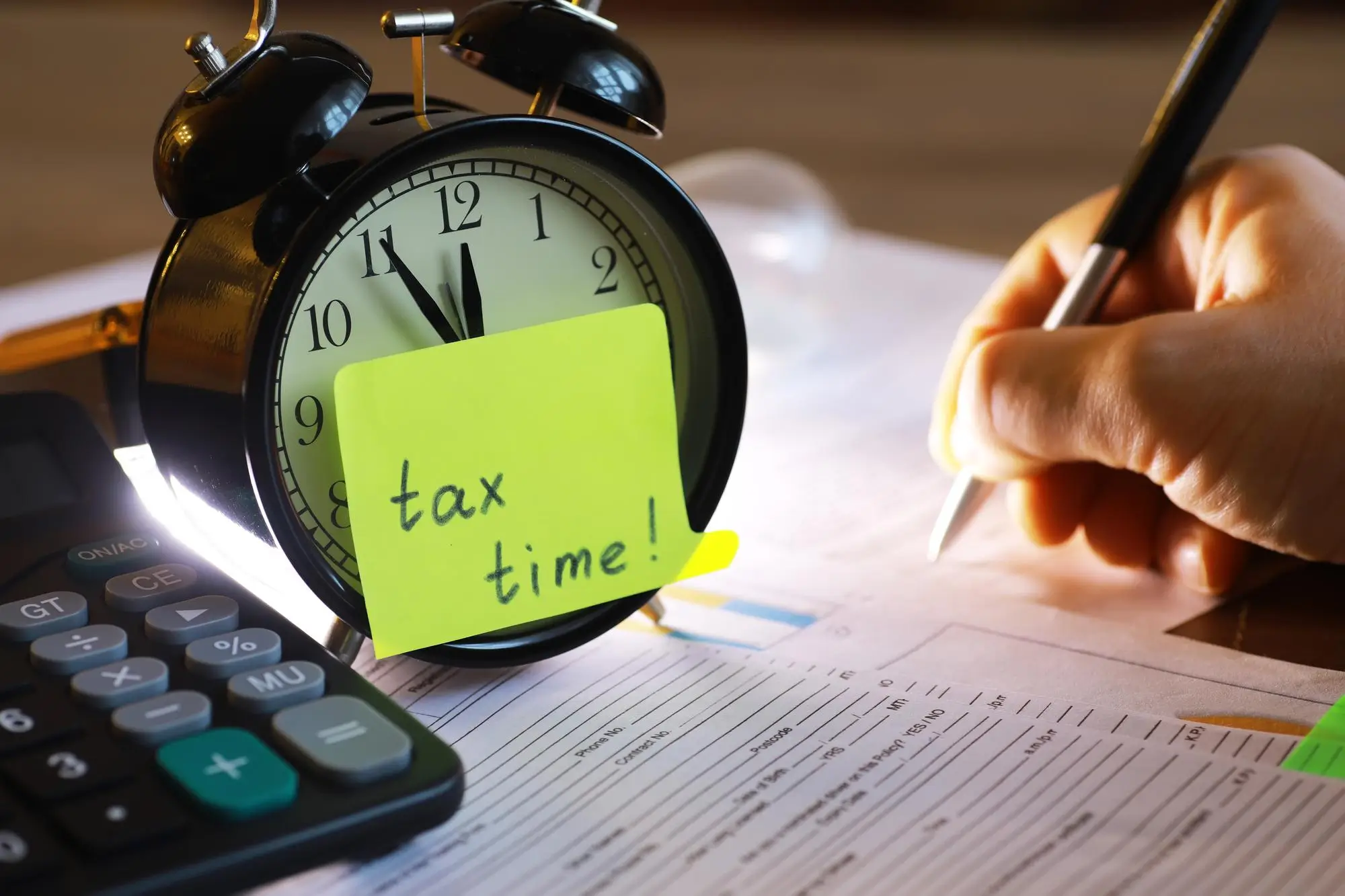
Tax Day is a real test of financial discipline under pressure. As the deadline approaches, strong habits show up in preparation, accuracy, and follow-through, while weak habits often lead to delay, panic, and avoidable mistakes.
Tax Day reveals more than tax behavior. It reveals how people manage money when timing matters.
Escrow depends on the same discipline: complete records, clear responsibilities, and timely action. When people come in with missing paperwork, unclear obligations, or poor timing, the process becomes harder than it needs to be. Often, what looks like an escrow issue is really an organizational issue.
That is why strong tax-filing tips matter, even in a conversation about escrow. Good filing habits require attention to deadlines, proper documentation, and follow-through.
Escrow accounts are usually used to manage property-related costs, such as taxes and insurance, through a structured process, and federal rules require timely escrow disbursements to avoid penalties (CFPB, 2024). In other words, better tax filing habits often reflect the same structure that helps make escrow smoother.

If you are close to closing, the goal is not to panic. The goal is to make sure taxes in escrow are clear, accurate, and properly reviewed before the transaction is finalized. A few simple checks can help you avoid delays, surprise costs, and confusion at closing (CFPB, 2024a).
The biggest mistake is assuming the tax portion of escrow will automatically make sense without review. Property taxes can affect your monthly payment, your closing costs, and your financial planning after closing. Remember: escrow becomes easier when you understand how taxes are being handled, review the numbers carefully, and ask for clarification before a small issue becomes a bigger delay.
Property taxes can affect how much you pay at closing, how much is collected in escrow, and what your monthly housing costs may look like after the transaction is complete. That is why reviewing them carefully matters (CFPB, 2023; CFPB, n.d.-a).
If the property tax amount is too low or too high, it can create confusion for buyers and sellers. It may affect how much money needs to be collected before closing or how much is included in future monthly payments. Even when the issue seems small, it can still lead to questions, delays, or last-minute adjustments that make the process more stressful (CFPB, 2020; CFPB, 2023).
This is one reason people should not treat the tax portion of escrow as a detail to skim past. It deserves the same attention buyers often give to loan terms, fees, and payment amounts. A clear understanding of property taxes in escrow helps people prepare better and avoid unexpected surprises.
Escrow usually moves more smoothly when people are financially prepared. That means understanding the major costs involved, carefully reviewing the documents, and asking questions before closing day gets too close.
This is where discipline matters. Many last-minute problems in escrow happen because people wait too long to review the numbers or assume everything will work itself out. That is also why general last-minute tax tips and tax filing tips only go so far. When the focus is escrow, the real advantage comes from checking property tax details early, staying organized, and responding quickly when something needs attention (CFPB, 2023).
Preparation also helps people separate different financial topics more clearly. For example, property taxes in escrow are not the same as personal tax filing, tax deductions, or learning how to quickly maximize your tax return. Those topics may matter during tax season, but escrow is about making sure property-related costs are handled correctly during the transaction (CFPB, 2020).
For buyers, reviewing property taxes in escrow helps create a more accurate picture of what homeownership may actually cost. It is not just about qualifying for the home. It is also about understanding what the monthly payment may include once property taxes are collected through escrow (CFPB, 2024a).
For sellers, clear and timely handling of tax-related details helps keep the transaction moving. Delays often occur when documents are incomplete, figures need correction, or issues are discovered too late. A smoother escrow process usually depends on both sides paying attention to the details early enough (CFPB, 2023, 2024b).
In both cases, the same idea applies: better preparation leads to fewer surprises. When people understand how property taxes fit into escrow, the process becomes easier to manage and easier to trust.
A smoother escrow experience often comes down to a few simple habits: reviewing the numbers carefully, understanding what is being collected, asking questions early, and staying organized throughout the transaction. These steps may seem small, but they make a real difference when timing and accuracy matter most. The best way to avoid last-minute property tax issues in escrow is to always prepare in advance.
A smoother escrow process starts with better preparation. New Era Escrow helps buyers, sellers, and real estate professionals stay informed, organized, and confident through every step of the transaction.
Key Takeaways
References
Consumer Financial Protection Bureau. (2024, September 13). What is an escrow or impound account? https://www.consumerfinance.gov/ask-cfpb/what-is-an-escrow-or-impound-account-en-140/
Consumer Financial Protection Bureau. (n.d.-a). 12 CFR § 1024.17 Escrow accounts. https://www.consumerfinance.gov/rules-policy/regulations/1024/17/
Consumer Financial Protection Bureau. (n.d.-b). 12 CFR § 1024.34 Timely escrow payments and treatment of escrow account balances. https://www.consumerfinance.gov/rules-policy/regulations/1024/34/
Share this article in :