7 Things You Need to Know About Escrow
Written by: New Era Escrow Team | Oct 9, 2026
Blog Summary
- Escrow is a neutral process that protects both buyer and seller during a transaction.
- Understanding escrow basics reduces confusion and helps you avoid costly mistakes.
- Knowing how escrow works step by step gives you better control of the process.
- Following the right escrow tips for buyers helps prevent delays and fraud risks.
- Learning key escrow terminology makes communication easier and more effective.
Table of Contents
ToggleIf you are buying or selling a property, you will hear one word over and over again—escrow. For many people, especially first-time buyers, it can feel confusing.
At its core, escrow is a protection system used in real estate transactions. It keeps both the buyer and seller safe during a high-value deal. Instead of one party taking all the risk, escrow makes sure everything is handled fairly and securely.
This process is widely used worldwide as it reduces the risk of fraud, mistakes, and disputes. If you are looking for a clear first-time buyer escrow guide, this article walks you through the basics, explains how escrow works, and gives practical escrow tips so you can move forward with confidence.
1. What Escrow Really Is
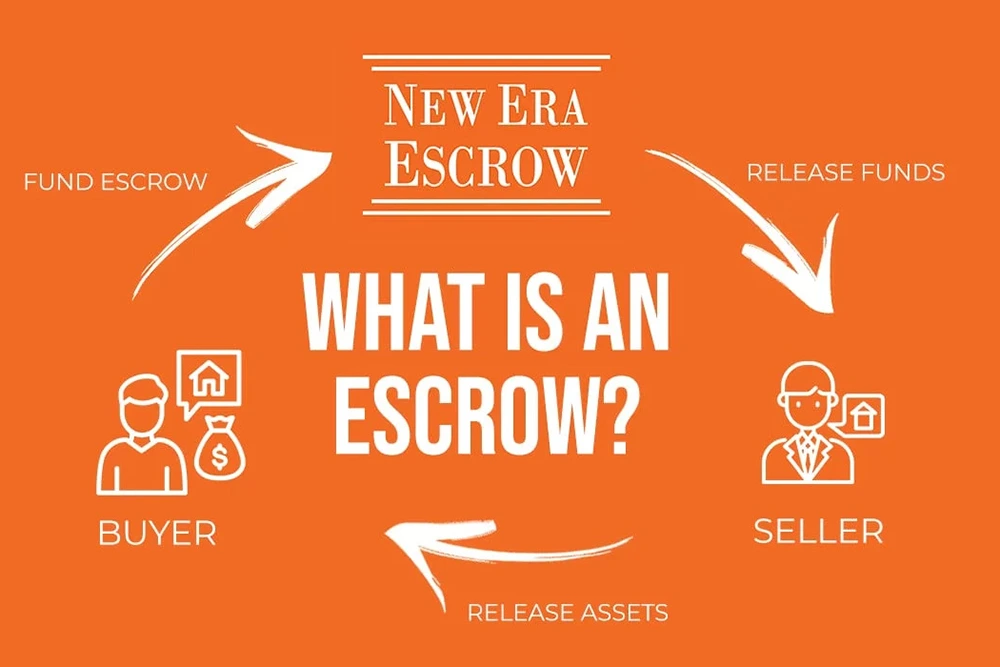
According to LegalClarity (2026), escrow protects both parties by ensuring that contract terms are completed before funds are released. In simple terms, escrow is when a neutral third party holds money, documents, and instructions during a transaction. Think of it like a referee in a game. The referee does not take sides. Instead, they make sure everyone follows the rules before finalizing the transaction.
In real estate, this means no money is released, and no property is transferred until all agreed conditions are met. This is one of the most important escrow basics to understand.
READ RELATED ARTICLE

6-minute read
2. Who Is Involved in the Escrow Process
To fully understand how escrow works, you need to know who is involved.
There are three main parties:
- Buyer – deposits funds and agrees to the terms
- Seller – provides the property title and required documents
- Escrow company or agent – manages the transaction
The escrow agent plays a very important role. They are fiduciaries. That means they must act in good faith and follow the agreement strictly (LegalClarity, 2026).
3. How the Escrow Process Works Step-by-Step
Understanding how escrow works becomes easier when you break it into simple steps. This is a core part of any first-time buyer escrow guide.
a. Opening Escrow
Escrow begins when the buyer and seller agree on the terms and sign the purchase agreement. The escrow agent then holds the buyer’s money and key documents until all sale requirements are met.
b. Earnest Money Deposit
The buyer deposits earnest money to show that they are serious about purchasing the property. This deposit is usually around 1%–3% of the purchase price (National Association of Realtors, 2024) and is held in escrow until the transaction moves forward.
c. Verification Stage
The buyer and the professionals involved review the property and financing to make sure everything is in order. This usually includes a title search, property inspection, and loan approval. These steps help identify and resolve any problems before the sale is completed.
d. Final Steps
After the buyer and seller complete all requirements, they sign the final documents, and the buyer provides the remaining funds. The escrow agent then releases the funds and documents as required. Finally, the buyer takes ownership of the property.
Most transactions take around 30 to 60 days, depending on complexity (LegalClarity, 2026). If you are learning escrow basics, this step-by-step view gives you a clear picture of what to expect.
READ RELATED ARTICLE

4. What an Escrow Account Holds
Another key part of escrow is understanding what it actually holds.
An escrow account may include:
- Earnest money deposit
- Loan funds
- Property title or deed
- Closing documents
These items are securely held until all conditions are satisfied. No one can access them early.
In fact, escrow accounts safely hold funds and documents until the transaction is complete (NerdWallet, 2026). This is one of the strongest protections in real estate. For buyers reviewing escrow tips for buyers, this means your money isn’t at risk if something goes wrong—as long as conditions aren’t met, funds aren’t released.
READ RELATED ARTICLE

2-minute read
Make social media less time-consuming with easy scheduling and publishing tools.
Affiliate Disclosure: This article contains affiliate links. Clicking on these links and buying these products may result in us receiving a commission at no additional cost to you.
5. Types of Escrow You Should Know
Escrow services vary by property, financing, ownership structure, and transaction circumstances. New Era Escrow offers services for traditional real estate transactions as well as specialized and non-traditional deals.
READ RELATED ARTICLE
Property escrow covers a wide range of real estate transactions, from residential homes and commercial properties to multi-unit buildings, new construction, condos, co-ops, and FSBO sales.
Residential Escrow
Used for the purchase or sale of homes, including both standard residential transactions and luxury properties.
Commercial Escrow
Designed for commercial properties and transactions that may involve more complex agreements, transfers, and requirements.
Multi-Unit Escrow
Handles properties with multiple units, where buyers, sellers, tenants, property managers, or other parties may be involved.
New Construction and Subdivision Escrow
Supports transactions involving newly built properties and subdivisions, which may require additional permits, approvals, and documentation.
Condo and Co-Op Escrow
Addresses the unique ownership structures and requirements associated with condominiums and cooperative properties.
For-Sale-By-Owner Escrow
Provides escrow support when a property is sold directly by the owner without a real estate agent.
Special financing escrows involve transactions where the financing structure creates additional requirements or parties.
Short Sale Escrow
Used when a property is being sold for less than the amount owed on the mortgage and lender approval is required.
REO Escrow
Handles properties owned by lenders following foreclosure, which often involve lender-specific procedures and requirements.
Refinance Escrow
Used when an existing mortgage is replaced or modified without a traditional property sale.
New Era Escrow also handles transactions that fall outside the typical purchase or sale of real estate.
Trust and Probate Escrow
Covers transactions involving trusts, estates, heirs, beneficiaries, and court-related property matters.
IRA Custodian Ownership Escrow
Handles real estate transactions involving IRA funds and the additional requirements associated with retirement account ownership.
Note Sale Escrow
Used for the sale or purchase of a mortgage note or loan rather than the direct sale of the property.
Auction and Bulk Sale Escrow
Supports auction transactions and bulk sales involving property, inventory, or other assets.
Specialty and Cash Holdings Escrow
Covers transactions involving specialty assets, cash, documents, deeds, stock holdings, and other assets that require escrow handling.
READ RELATED ARTICLE

6-minute read
6. How Escrow Protects You from Risk
One of the biggest reasons escrow exists is to reduce risk. Without escrow, transactions would be much more dangerous. A buyer could send money and never receive the property. A seller could transfer ownership and never get paid.
Escrow solves this problem by making sure:
- Funds are only released when conditions are met
- Documents are verified before transfer
- Both parties follow the contract
Escrow can help reduce disputes and financial loss by ensuring that the terms of an agreement are followed before funds are released (NAR, 2024). However, buyers still need to protect themselves from potential risks, especially wire fraud. One of the most important escrow tips for buyers is to verify payment instructions directly with their escrow company before sending any funds.
7. Costs, Timelines, and What to Expect
Escrow isn’t free, but it is worth the protection it provides.
Costs
Escrow fees are usually shared between the buyer and seller. In some markets, fees can range from about 1% to 2% of the home price (Fannie Mae, n.d.).
Timelines
Most escrow processes take 30 to 60 days, but this can vary depending on:
- Loan approval
- Property condition
- Document completion
What to Expect
Buyers should expect:
- Regular updates from the escrow company
- Requests for documents
- Final signing before closing
Escrow is protection. It creates structure in what could otherwise be a risky process. It ensures that money, documents, and ownership are handled the right way.
If you take the time to understand escrow, learn how escrow works, and follow the right escrow tips for buyers, you’ll put yourself in a much stronger position.
New Era Escrow simplifies the process and guides you every step of the way. With the right support, escrow does not have to feel complicated. It becomes a clear, secure path to closing your transaction with confidence.
Experian. (2025). What is escrow? https://www.experian.com/blogs/ask-experian/what-is-mortgage-escrow/
Fannie Mae. (n.d.). What is escrow? https://yourhome.fanniemae.com/buy/escrow
FindLaw. (2026). How escrow works in real estate deals. https://www.findlaw.com/realestate/buying-a-home/escrow.html
LegalClarity. (2026). Real estate escrow process explained. https://legalclarity.org/real-estate-escrow-process-step-by-step-explained/
NerdWallet. (2026). How a mortgage escrow account works. https://www.nerdwallet.com/mortgages/learn/escrow-account
National Association of REALTORS®. (2024). Escrow and earnest money guide. https://www.nar.realtor/the-facts/consumer-guide-escrow-and-earnest-money
Listd.ph. (2026). Escrow in Philippine real estate. https://listd.ph/spotlight/escrow-philippines-real-estate
Up Next


Most Popular